From the 30th
Design: Gastone Rinaldi
Info
Year:
2013
Production:
Poltrona Frau
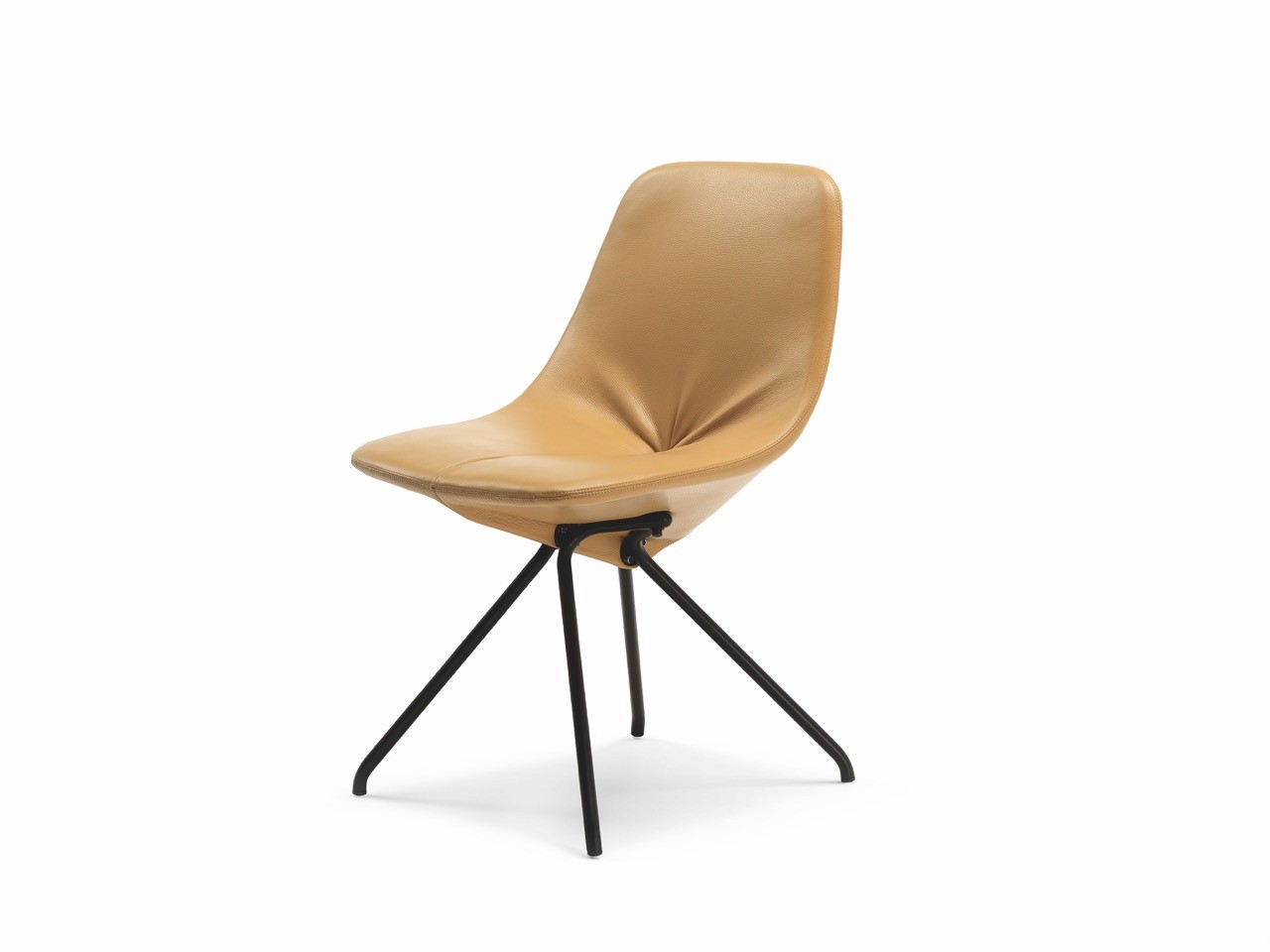
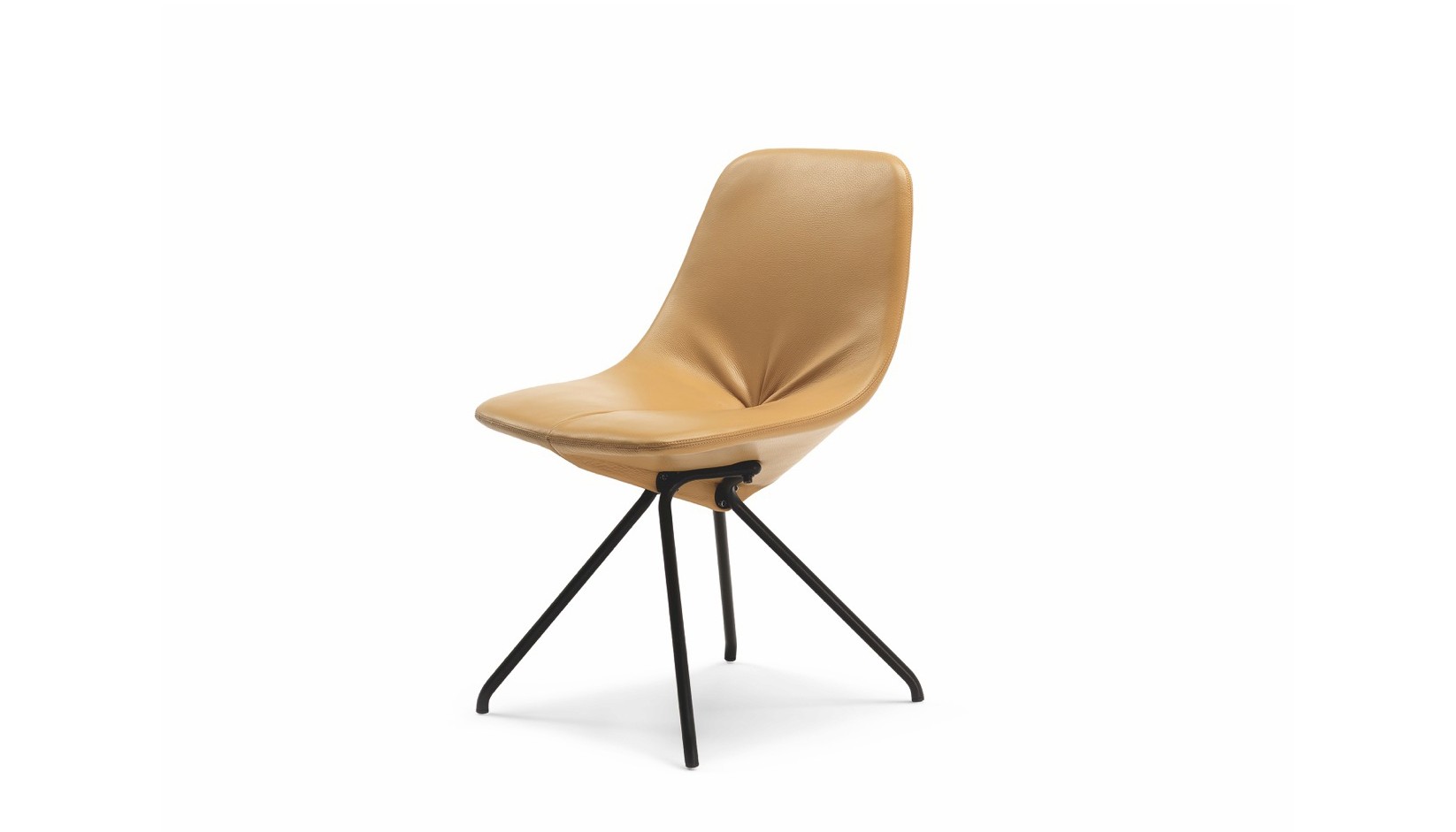
Designed in 1953 for Rima, and since 2013 re-issued by Poltrona Frau, the Du 30 chair represents the pinnacle of Gastone Rinaldi's methodological research during this period and an absolute icon of Italian industrial design, consecrated in 1954 by the award of the first Compasso d'Oro.
Technical Profile and Innovation
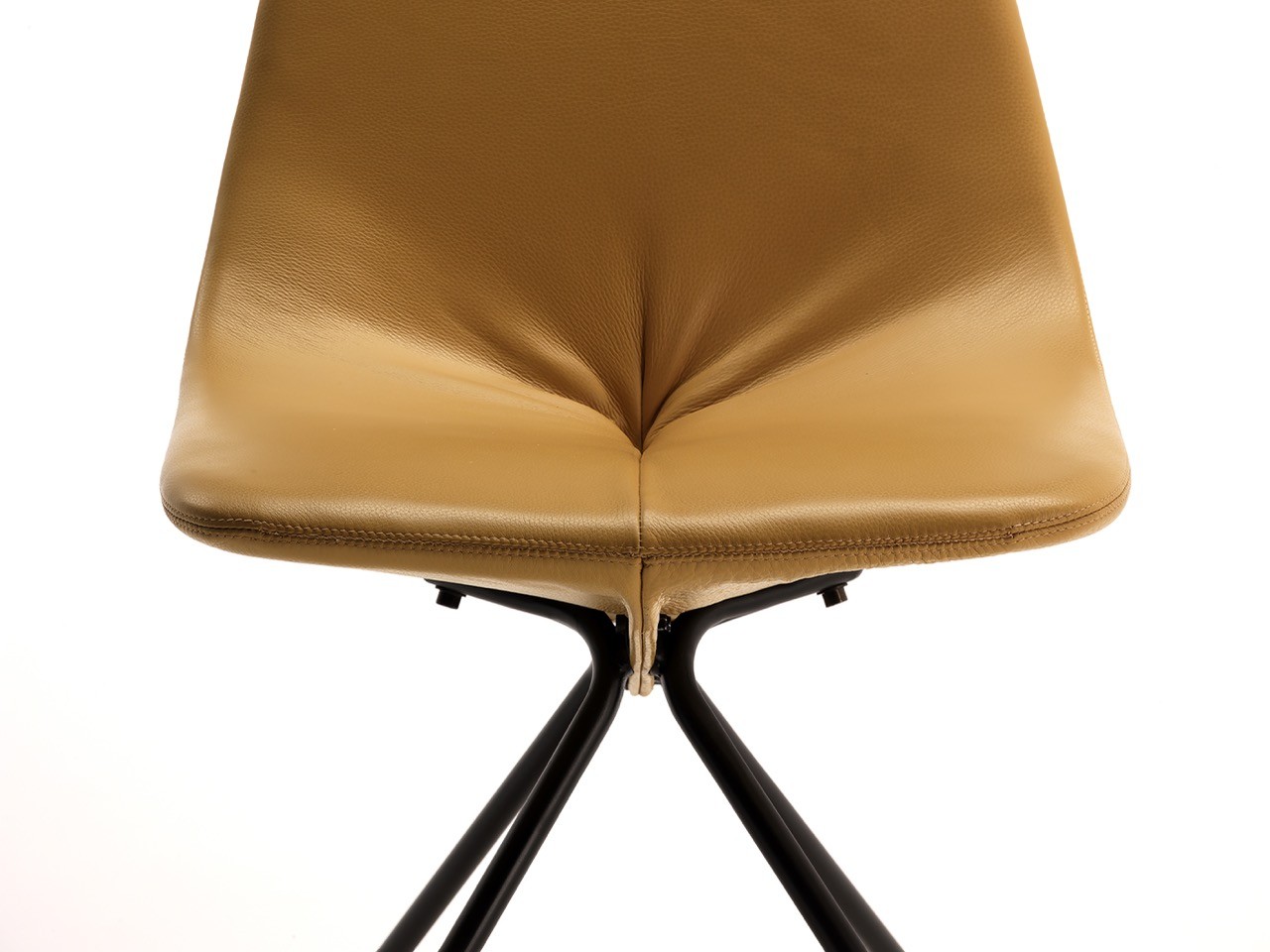
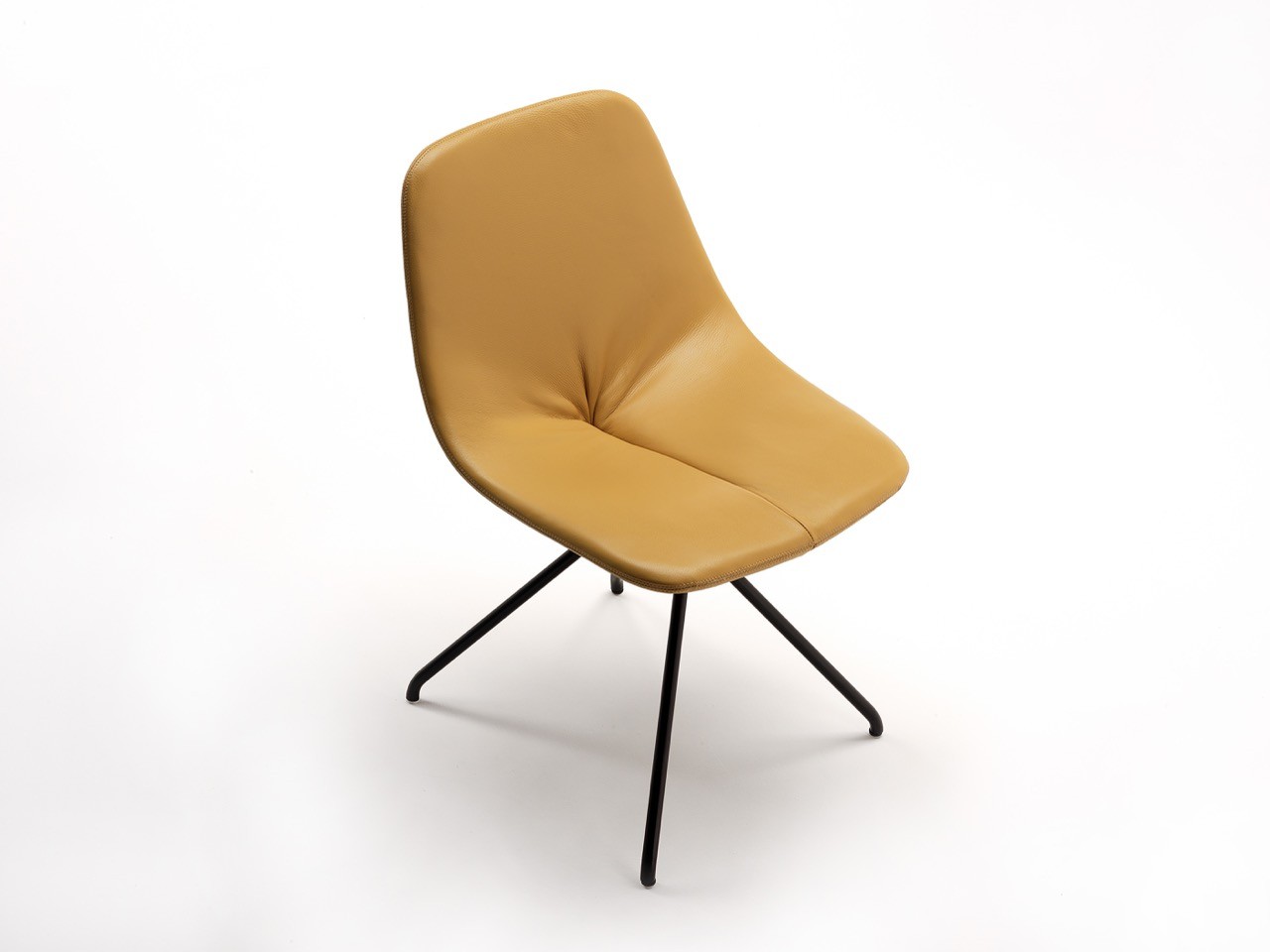
The model masterfully achieves the goal of converting a flat surface into a self-supporting three-dimensional shell capable of forming a seat and backrest in a single piece. The structure is made from a single sheet of shaped and stretched metal sheet, whose edges join under the seat to form a central stiffening "rib". The legs, made of two paired elements, are fixed to this rib and to the bottom of the seat by screws and the insertion of elastic means, avoiding the use of spot welding.
Design Philosophy and Influences
Du 30 was born from a reflection on the American productions of Charles Eames, reinterpreted by Rinaldi through empirical solutions dictated by the technological limitations typical of the small Italian industries of the time. The designer solves the problem of obtaining a sufficient structural stiffness through the folding of the metal sheet. The shell is completed by a foam rubber padding and by a cover that, in the first versions, used the plastic fabric Flexa (recommended by Gio Ponti for its adaptability), sewn directly along the profile of the metal sheet.
Critical Reception and Historical Success
In 1954 the jury of the Compasso d'Oro awarded Du 30 for its «essential shape and structure», defining it as an expression of a «lively and brilliant» production capable of tastefully integrating modern home decor. Its aesthetic validity is confirmed by the fact that the design of the silhouette, graphically reworked by Albe Steiner, was chosen for the cover of the first issue of the magazine Stile Industria in June 1954. Exhibited at the X Triennale di Milano, the chair is today considered a benchmark in its ability to blend technical rigor, production economy and formal elegance.