Tracing five decades of design evolution — from early industrial experiments to the mastery of manufacturing possibilities — this timeline maps key moments, shifts in production logic, and the cultural context that shaped and inspired one of Italy's most recognized furniture designers.

1920
Born in Padua.
Gastone Rinaldi was born on November 16th. He undertook studies in economics and commerce at the Belzoni Institute, although his natural inclination leaned towards drawing and design from a young age.
1940s
Sporting career and first workshop experiences.
Before dedicating himself full-time to design, he combined his presence in his father's company with intensive sporting activity: he played professional football (with Padova, Cremonese, and Udinese) and participated as a driver in the famous Mille Miglia car race.
1950
The partnership with Gio Ponti.
He established a close network of contacts with the protagonists of Milanese design, meeting Gio Ponti. The architect recognized the talent of Rinaldi and the Rima craftsmen and began to promote their work by publishing it regularly in Domus magazine.
1951
Debut at the 9th Milan Triennial.
The Padua-based company gained wide visibility by participating in the Triennale. Rinaldi presented, among others, the Du 9, Du 10, and Du 11 seating models, which were successfully included in the sections dedicated to Hospitality and Hospital Architecture.
1952
Participation in the Trade Fair.
They exhibited their creations at the XXX Milan Fair within the "Art and Industrial Aesthetics" section, an important moment of comparison curated by Alberto Rosselli, Ettore Sottsass, and Marco Zanuso.
1953
The sculptural exploration of the seat.
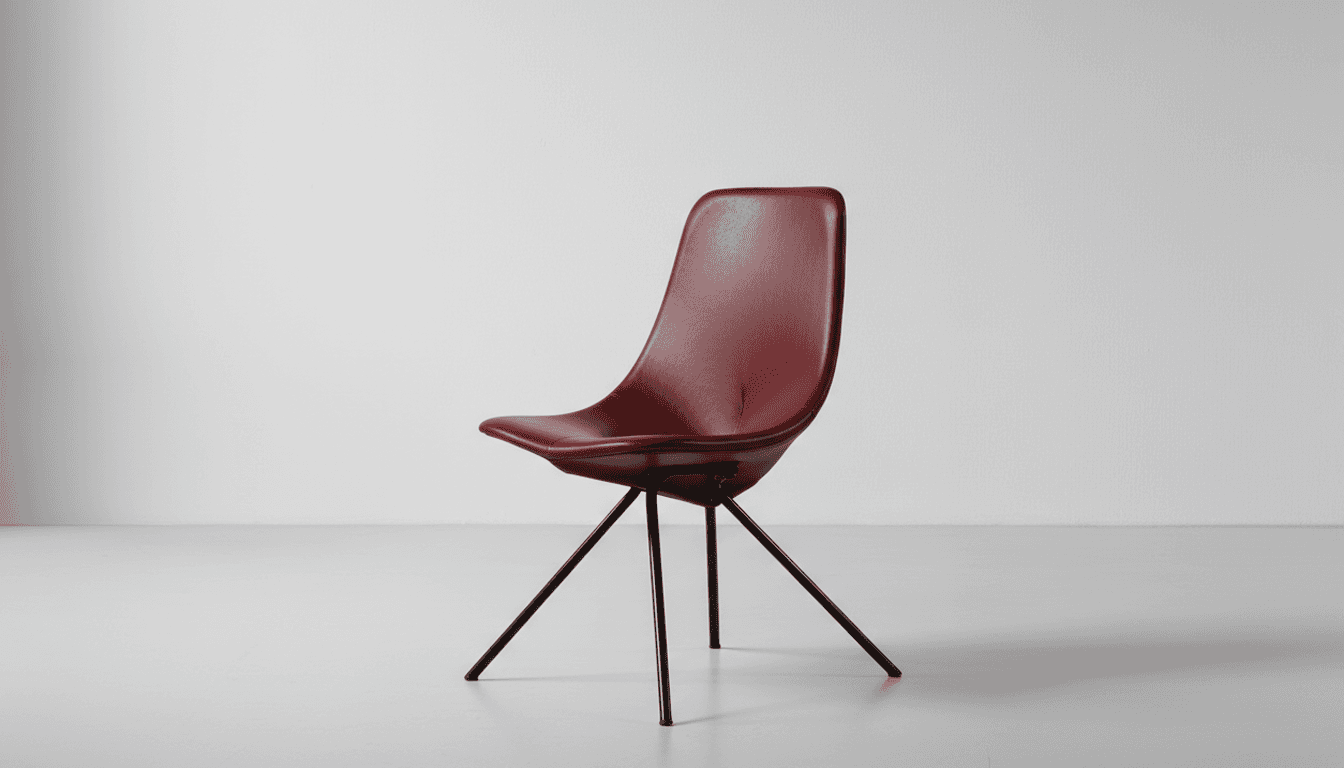
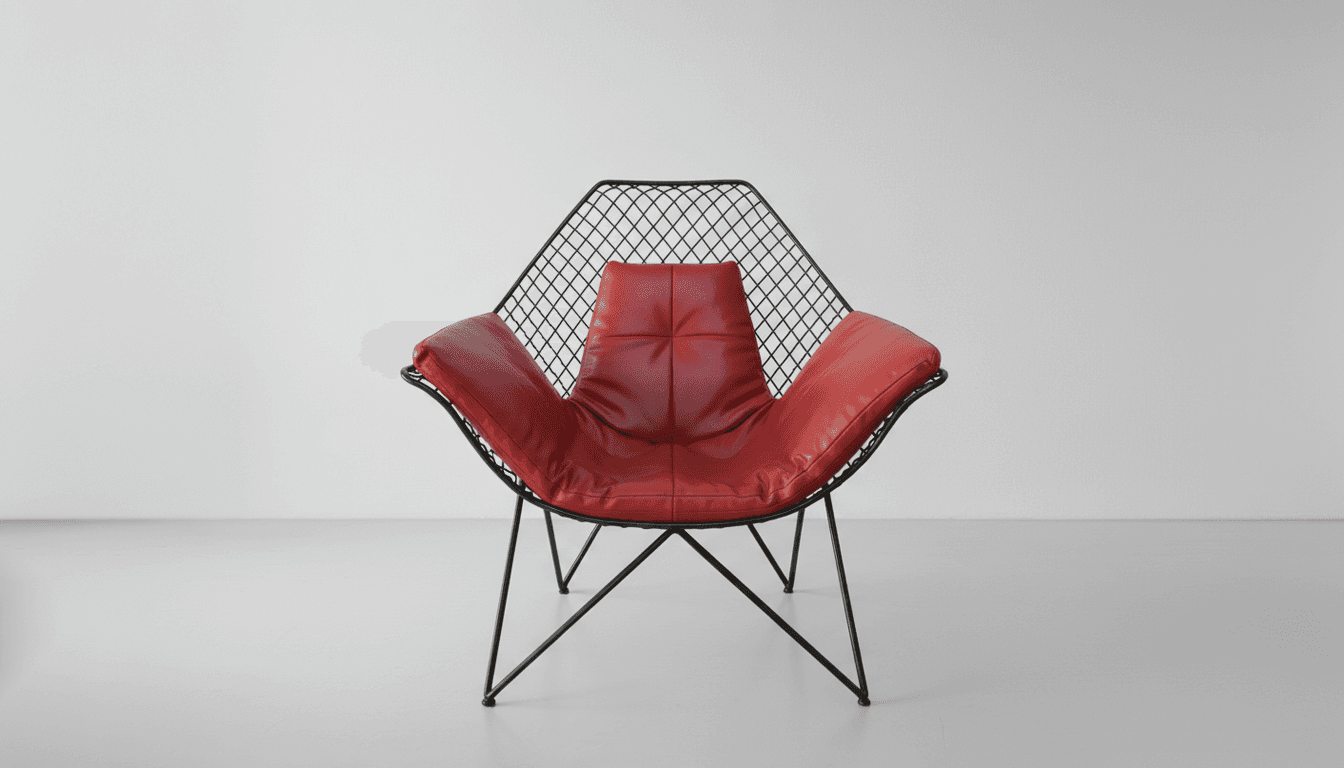
He designed the DU 43 armchair and the DU 30 chair from the same structural and methodological research matrix. Both projects stem from Gastone Rinaldi's investigation into the transformation of a two-dimensional flat surface into a three-dimensional self-supporting shell capable of forming the seat and backrest in a single piece.
Featured works
1954
The first Compasso d'Oro Award.
On the occasion of the first edition of the famous award, it won the Compasso d'Oro with the Du 30 chair. The prize acknowledged the value of a design based on an innovative shaped bent sheet metal shell to accommodate the padding. The Du 43 armchair also received an Honorable Mention.
From the archive
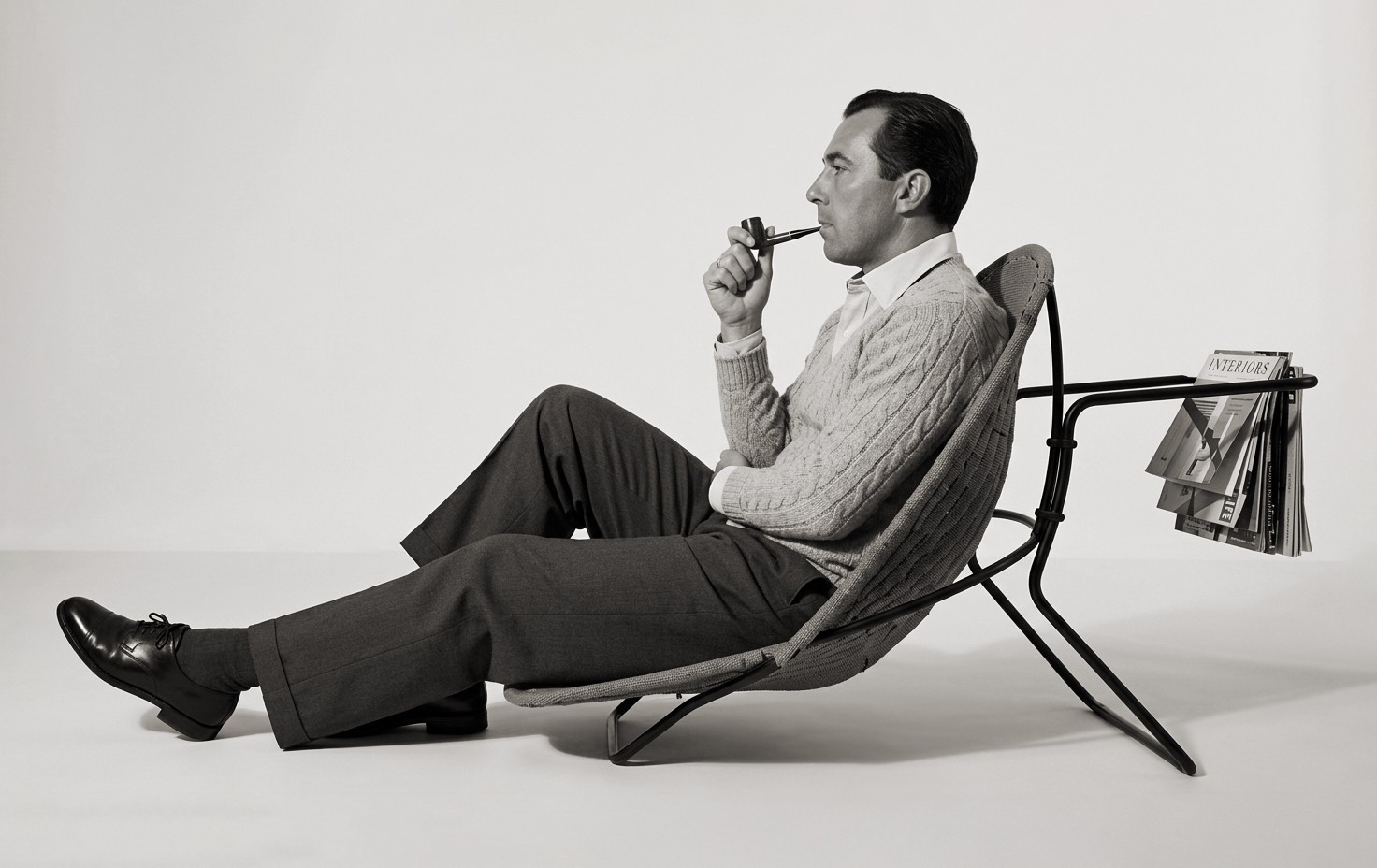
Gastone Rinaldi and the Du 50 (the patent dates back to October 22, 1954). In addition to being used as a normal armchair, the Du 50 was designed to be set in a second, reclined position to meet a new domestic need of those years: watching television.
1956
Foundation of the ADI.
Rinaldi was among the very first members to join the Association for Industrial Design, formally consolidating his role within the national theoretical and operative debate.
1957
Silver Medal at the 11th Triennale.
He/she received this award for the Du 41 armchair, appreciated for the simplicity of its complex circular tubular steel structure.
Featured works

From the archive
1957
The Saturno sofa.
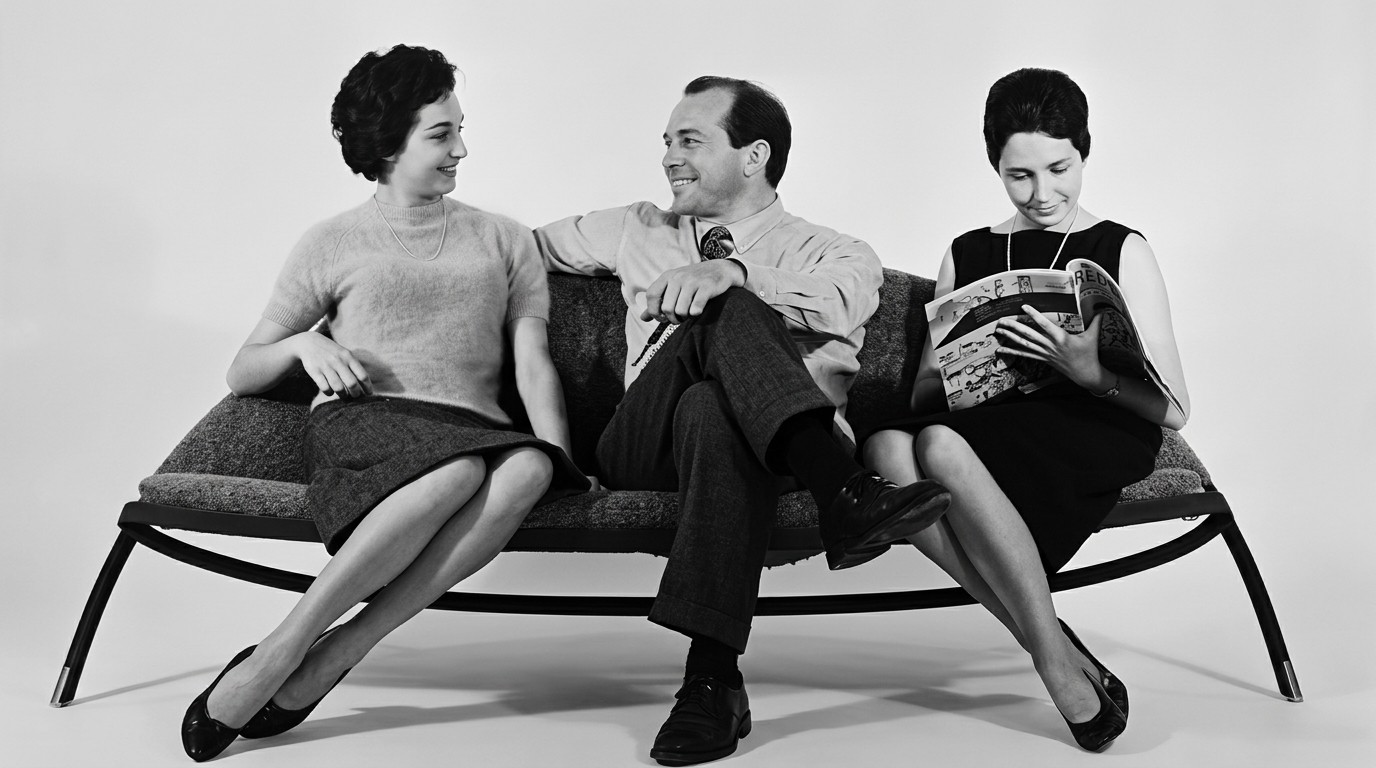
Rinaldi presents the Saturno sofa at the Padua Fair. The imposing visible structure in curved flat steel, also designed in its decomposition mechanisms, would make it a piece of great historical importance, today part of the permanent collection of MoMA in New York.
Featured works

1960s
Rationalisation and major contracts.
Rinaldi continues his technical inquiry geared toward streamlining chairs and tables, applying it to large supplies for ships (such as the motor vessel Michelangelo), hotel complexes, and the facilities of the University of Padua.
From the archive
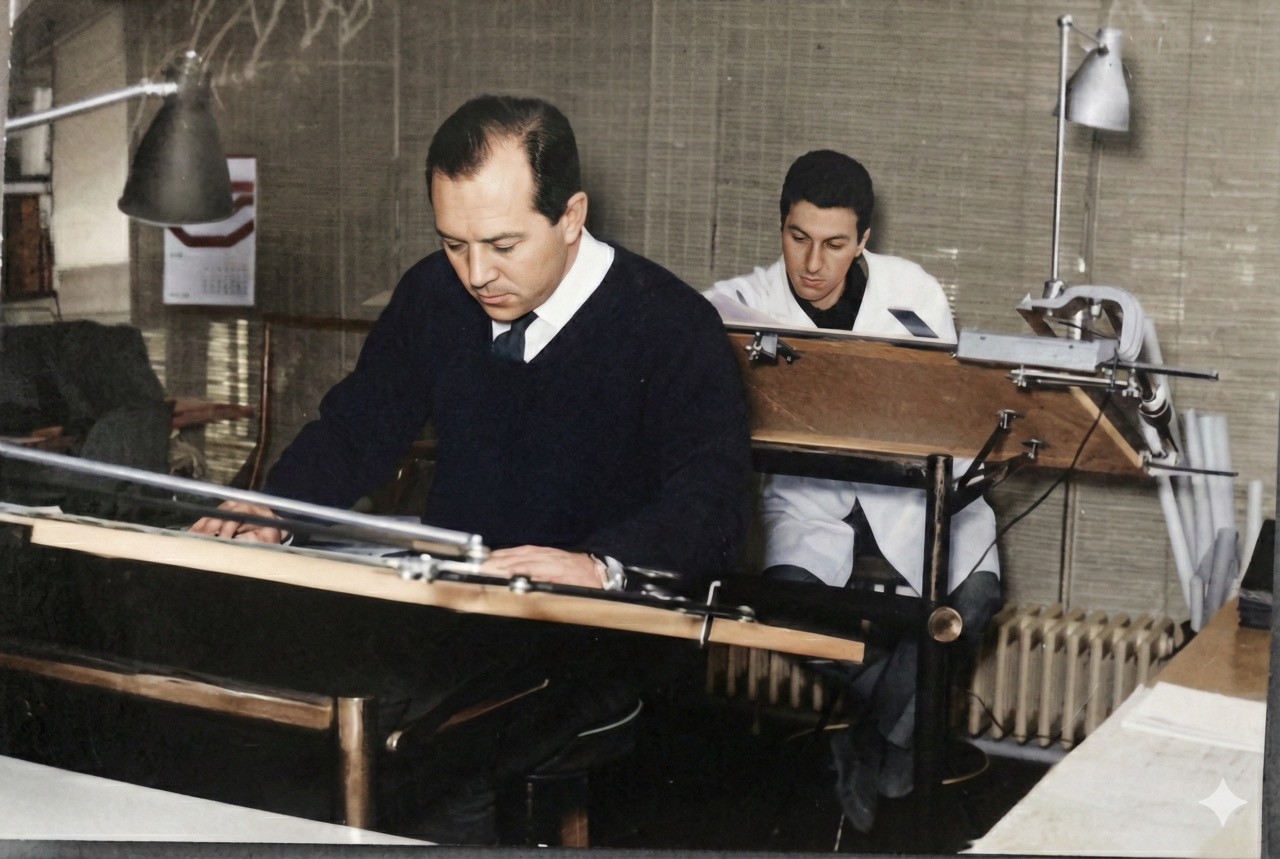
Gastone Rinaldi in the Rima design studio, together with his assistant Bruno Chiaro. Around the 1960s. Gastone set up his office on a mezzanine floor above the production areas. It was in this space that the designer would retreat during the afternoons to dedicate himself in peace to updating and designing, spending long hours at the drawing board.
1977
The founding of Thema.
Faced with growing complexities and divergence in internal management, in 1974 he left RIMA to found a new independent company, Thema, based in Limena (Padua). In addition to the production of new models (some patented), the business was characterized by an openness to new generations of designers and by the continuity of relationships with long-standing collaborators.
1979
The formal synthesis of the Dafne chair.
For Thema, he designed the Dafne folding chair. Characterized by an extreme reduction in volume in favor of functionality, the chair received an honorable mention at the 1981 Compasso d'Oro, alongside the Aurora model.
Featured works


From the archive

From a Thema catalog